Reflections on UNOC3 and strengthening coastal stewardship
The third UN Ocean Conference (UNOC3) showed promising signs of progress on ocean action, including pledges on finance and new protected areas. But for solutions to be fair and effective, they must be led by coastal communities, and the costs must be shared. Here's what gave us hope – and what's still missing.


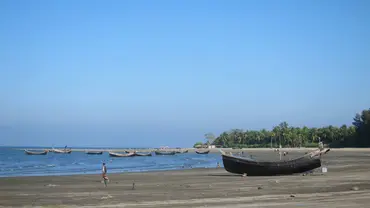
Fisher on Jimbo beach in Kwale County, southern coast of Kenya (Photo: WorldFish, via Flickr, CC BY-NC-ND 2.0)
UNOC3 was focused on ‘accelerating action and mobilising all actors’ to advance implementation of Sustainable Development Goal 14. Yet the people most invested in the future of our ocean – small-scale fishers, Indigenous Peoples and local communities – were still under-represented at this year’s conference.
This was highlighted by Editrudith Lukanga, founding secretary general of the African Women Fish Processors and Traders Network, who pointed to the title of ocean action panel 5, ‘fostering sustainable fisheries management including supporting small-scale fishers’, as an example of how small-scale fishers and fish workers are often treated as an afterthought, consulted only when decisions are already made.
This approach contradicts the internationally recognised Voluntary Guidelines for Securing Sustainable Small-Scale Fisheries, which require that small-scale fisheries have access to information, participation and justice in ocean governance.
Elements of the programme that were organised by or centred the voices of small-scale fisheries and coastal communities were vibrant and powerful. They often featured frank conversations and issued clear calls to action.
One memorable example was the launch of the Call to Action for Ocean Defenders, where defenders from Chile, the Gambia, Senegal, Peru and the Philippines highlighted the urgent need to resist threats to their environment and rights.
Jonila Castro and Terence Repelente called for support and solidarity in resisting large-scale dredging and reclamation in Manilla Bay, and Peruvian campaigner Mavel Quispe described the ongoing struggle of coastal communities in Ancón to recover from a devastating oil spill and restore their livelihoods.
At another event, ‘our ocean, our rights: centring human rights and communities in achieving SDG14’, Andurah Daxon, executive director of Waterkeepers Bahamas, reiterated that "decisions about the ocean must include those who live with it every day", and called for a moratorium on licence issuance and permanent parliamentary ban on oil drilling in Bahamian waters.
Focusing on what already works
Several discussions emphasised the need to support efforts of Indigenous Peoples and small-scale fishing communities – particularly women and young people – to steward the ocean. Living on coasts and relying on marine resources for generations, these communities have deep knowledge of what works; respecting their rights and incentivising stewardship are fundamental to supporting effective and equitable ocean governance.
IIED is working with partners to strengthen knowledge and capacity for using tools such as social protection to promote sustainable fisheries and incentivise coastal stewardship. Social protection interventions, which typically aim to protect people from vulnerability and promote better job opportunities, can be designed or adapted to reduce the costs of nature-positive actions for local people.
While outcomes remain poorly understood and unintended consequences are common, these tools hold great promise when underpinned by proper monitoring, evaluation, learning and adaptation.
Another set of tools that can effectively support coastal stewardship are those that provide secure tenure rights to coastal communities. For example, preferential access areas give priority access rights to small-scale fishers over larger-scale fishing in nearshore waters, fostering a greater sense of ownership. Respecting tenure rights and establishing devolved governance arrangements can also help us achieve 30x30.
Fixing the flow of ocean finance
The Blue Economy Finance Forum, a special event of UNOC3, announced €8.7 billion (PDF) in new commitments, including €4.7 billion from philanthropies and private investors and €4 billion from public finance institutions. The ambition was clear: mobilise financial resources for a "regenerative and sustainable blue economy".
But for many, these financial commitments did not inspire confidence. As Guy Standing from Basic Income Earth Network put it later in the week: "If finance is the answer, it must have been a bloody stupid question".
Without breaking down the structural barriers – economic, institutional, and cultural – that continue to marginalise coastal stewards, even large-scale investments risk reinforcing current inequities and failing their objectives.
Many new initiatives referenced 'just' or 'inclusive' transitions for coastal communities, but details on how funding will reach the local level remain vague. The Seychelles Blue Bond, established in 2018, offers a cautionary tale: despite positive headlines, small-scale fishers have struggled to benefit, and concerns remain about the debt burdens these types of mechanisms impose on developing countries.
More promising was the launch of the Pacific Whale Fund, a rights-based ocean finance mechanism co-developed with Indigenous Peoples across the Pacific. While still in its early stages, the fund aims to channel money through Indigenous governance systems to support people and nature.
The path ahead
There is still much to be done in the months ahead. At the time of writing, nine more World Trade Organization (WTO) members must ratify the Agreement on Fisheries Subsidies before it can enter into force. This would mark a vital step towards ending harmful subsidies that fuel overfishing and biodiversity loss and reduce the ocean’s benefits to people.
Repurposing these subsidies is a significant and underused opportunity. Redirecting public support towards fisheries management and positive incentives can help vulnerable communities manage this transition and better support those already acting as stewards of the ocean. The WTO Fish Fund, now open to requests from developing countries that have ratified the agreement, can support implementation, but political will is needed to ensure these reforms deliver real impact.
Governments, donors and NGOs alike must prioritise rights-based approaches that put coastal communities at the heart of ocean conservation and fisheries reform. These approaches must be matched with incentives that reflect the real costs of stewardship. Monitoring and learning will be essential to improve effectiveness and ensure equity.
Philanthropic organisations have a crucial role to play. Their flexible, long-term support can strengthen partnerships, enable innovation at the local level, and help shift the wider funding landscape by demonstrating what works and advocating for inclusive finance.
Next month's UN Food Systems Summit +4 Stocktake (UNFSS+4) offers a timely opportunity to carry forward the momentum from UNOC3. Discussions will continue on how food from the ocean can help meet global goals – including on nutrition, biodiversity, livelihoods and climate – and how aquatic food systems can be more sustainable and resilient.
Together with UNOC3 outcomes, the UNFSS+4 declarations will shape negotiations at COP30 and influence how the links between marine biodiversity, food and climate are understood – and acted upon.
To help drive this transformation, we're calling on decision-makers to:
- Ensure new ocean finance reaches and is co-designed with small-scale fishers and fish workers, Indigenous Peoples and local communities.
- Prioritise a human rights-based approach, including through developing and implementing National Plans of Action for Small-Scale Fisheries and extending effective social protection to small-scale fisheries, and
- Provide locally appropriate incentives for coastal stewardship, supported by proper monitoring, evaluation, learning and adaptation.
With thanks to Anna Ducros, Ruth Pinto, Jeneen Hadj-Hammou and Oliver Arnold-Richards for contributing to the development of this insight.